
Glass Partition Wall Ideas for Homes, Offices, and Retail Spaces
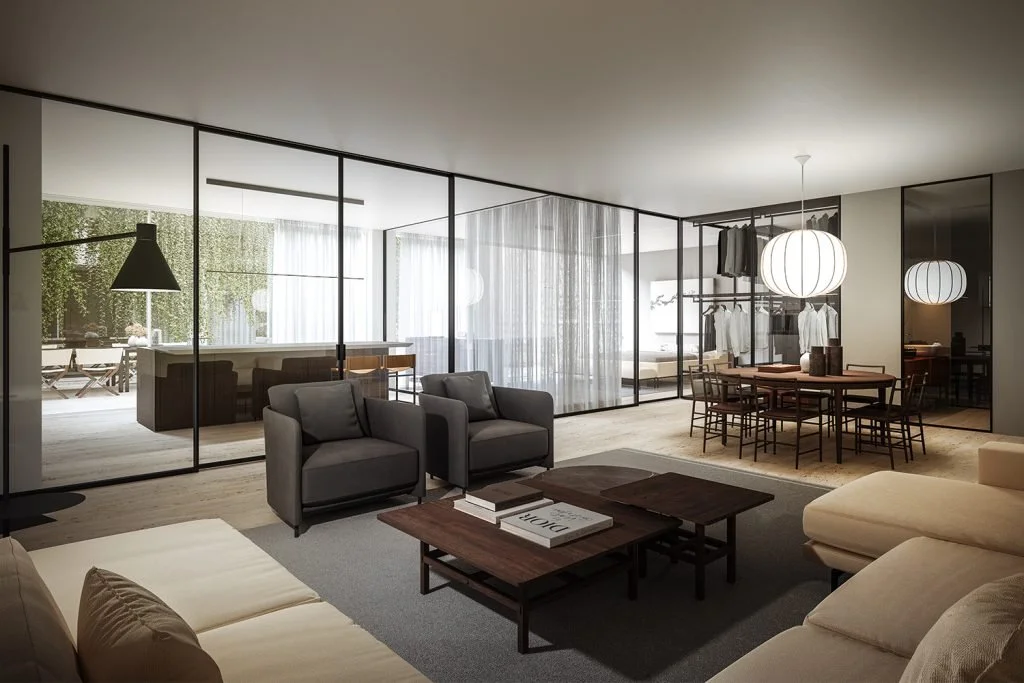
A glass partition wall reshapes the way you use space in a home, office, or shop. It brings light into dark corners and builds clear zones without heavy construction. Modern interior designers use glass elements to create flexible spaces which maintain an open atmosphere while keeping things organised.
The design method works effectively in both small residential areas and large commercial spaces. Therefore, the design combines its pointed shapes with its operational value. The design movement now supports open floor plans, with a glass partition wall, it helps to maintain social connections between people while creating private spaces for personal time.
Why Glass Partitions Transform Modern Spaces
Glass partitions change how a room feels and functions. Solid walls block light and create narrow spaces. Glass panels allow daylight to travel across floors and walls, making rooms appear larger and brighter. Designers choose glass because it bridges openness with structure. You can divide a space without splitting it. This quality suits homes where families share common areas yet need calm corners. It also supports offices that encourage teamwork without letting noise spill over to other desks.
In retail spaces, glass draws customers deeper into the store. Shoppers glimpse products from many angles as they move. This layout sparks curiosity and keeps the shop neat and clear.
Types of Glass Partitions for Different Settings
Framed Glass Panels
Framed panels surround glass with metal or aluminium borders that anchor the structure and trace clean outlines. Black frames sharpen industrial themes, while silver or white frames echo simple interiors.
Framed systems are designed for everyday use in offices and retail spaces where durability is essential. They handle regular use and remain stable even with frequent handling and movement.
Frameless Glass Panels
Frameless systems create a smooth, seamless look. They rely on strong tempered glass and subtle fittings that hold each panel steady. This design suits modern homes and polished workspaces.
Without thick frames, views remain wide and clear. Light flows without barriers, and the room feels calm and expansive.
Sliding Glass Panels
Sliding panels operate on track systems, which save space because they don't need to swing out of the way. Small apartments with multiple units use sliding glass panels to separate kitchen areas from living spaces while maintaining unobstructed views throughout.
The sliding systems in offices enable employees to move between individual workspaces and group collaboration areas without any trouble. Retail stores use them to close sections after hours while keeping displays on show.
Frosted or Textured Glass
The combination of frosted and textured glass enables people to protect their privacy while still receiving sunlight into their space. The feature provides benefits for bathrooms and meeting rooms that require protection. Patterns bring life to your design through their ability to create depth and character, but they don't add any extra weight to your visual composition.
Glass Solutions for Homes
1. Creating Open-Plan Living
Open-plan layouts remain popular in modern homes, yet noise and cooking smells often drift across shared spaces. A glass divider tackles this challenge without shrinking the room.
You can install glass between the kitchen and living room to keep sightlines open while softening noise. Families can cook, relax, and talk without feeling cut off from one another.
2. Home Offices with Style
Remote work has reshaped home design, and many people now need a quiet workspace that still feels part of the home. You should build a glass enclosure rather than thick walls for your structure.
The design allows natural light to flow through all areas of the home while maintaining a strong connection with your family. The space transforms into a home environment after work, with no obvious separation between work and home.
3. Bathroom and Dressing Areas
Glass serves bathrooms and dressing rooms with clean lines and bright surfaces that reflect light across tiles and mirrors. Frosted panels guard privacy while keeping the space fresh and airy.
Designers often pair glass with tiles or timber to soften the look and add warmth. This blend balances clarity with comfort.
Office Design with Glass Partitions
Modern offices thrive on collaboration and clarity, and companies want teams to share ideas without feeling boxed in. A glass partition wall supports this aim by shaping zones that stay open to light.
Meeting Rooms
Meeting rooms demand privacy for calls and focused talks. Clear or frosted glass strikes a balance by letting staff see when the room is free while keeping sound contained.
Glass walls also prevent isolation and help people feel part of a shared setting.
Quiet Zones
Offices often carve out quiet zones for deep focus. Glass marks these areas without blocking light, and staff move between spaces with ease.
Reception Areas
First impressions shape how visitors judge a workplace. A bright reception space sets a clear tone. Glass panels around waiting areas create order and style, and guests notice a well-planned space as soon as they step inside.
A glass partition wall strengthens flexible office layouts because teams can shift departments or expand rooms without heavy rebuilding. This flexibility reduces disruption and keeps work on track.
Choosing the Right Glass for Your Space
Not all glass suits every project, so you must weigh safety, thickness, and finish before making a choice.
Tempered Glass
Tempered glass shatters into small pieces when damaged, reducing the risk in busy areas such as offices and shops.
Laminated Glass
Laminated glass holds together when cracked, strengthening sound control and security. Homes near busy roads gain comfort from this option.
Acoustic Glass
Acoustic panels curb noise transfer and help offices host discussions without distraction.
When you select glass, consider light, privacy, and daily use. A well-matched system will serve the space for years.
Design Ideas to Inspire Your Layout
Industrial Style
Combine black metal frames with clear glass and pair them with exposed brick or concrete floors. This look suits loft apartments and creative offices.
Minimal Style
Choose frameless panels with sharp lines and light colours. Simple furniture completes the calm and spacious feel.
Warm Contemporary Style
Pair glass with wood finishes such as oak or walnut to soften sharp edges. This blend fits homes and boutique stores.
Creative Patterns
Add etched patterns or subtle lines to introduce character without clutter. These details also improve privacy.
Conclusion
Glass partitions offer a thoughtful way to shape homes, offices, and retail spaces while keeping light at the centre of design. They balance openness with structure and draw brightness into every corner. From sleek meeting rooms to welcoming shop displays, glass supports both style and daily function. It adapts to changing needs and blends with many themes. When you plan carefully and select the right materials, glass transforms a simple layout into a bright, ordered space. With wise design choices, you craft rooms that feel larger, clearer, and ready for everyday life.

